
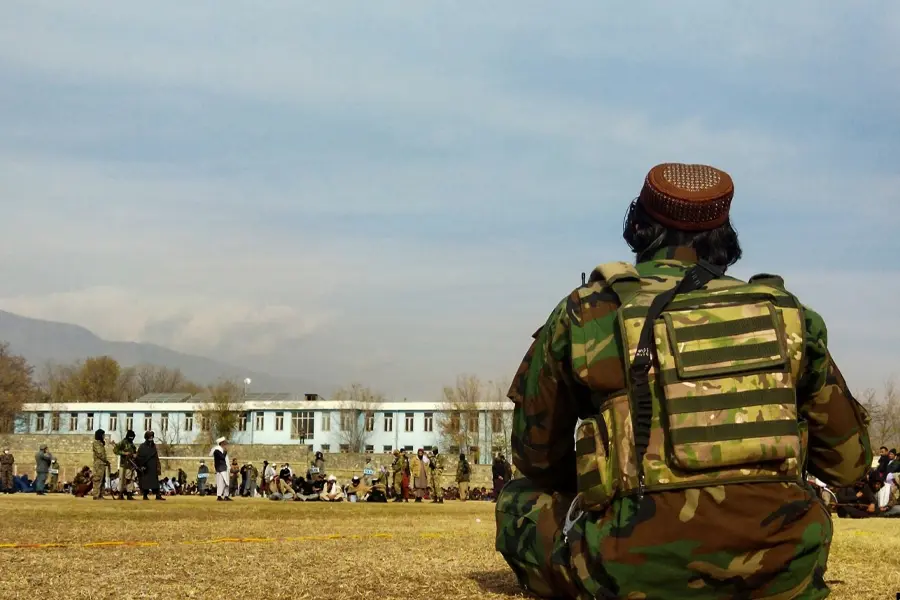
The Taliban’s Supreme Court has restricted the publication of reports related to the implementation of flogging punishments, while the United Nations has expressed concern over the increase in corporal punishment and public flogging in Afghanistan.
According to a UN report, in 2025, at least 1,110 people, including 940 men and 170 women, were publicly flogged in Afghanistan by Taliban courts; a figure the UN considers higher than the total recorded cases in previous years since the Taliban’s return to power.
The UN says that women, girls, and LGBT individuals are at greater risk of corporal punishment related to what the Taliban call “moral crimes,” including extramarital relations and “sodomy.” Men have also mainly faced flogging for charges including theft, drugs, alcohol use, and gambling.
According to this report, in January 2026, 147 men and 15 women were also publicly flogged. The body said that in many cases the punishments were 39 lashes and were carried out in the presence of people.
However, reports published in recent months show that the Taliban’s Supreme Court has not publicly and regularly published information related to the implementation of corporal punishment since the second of Sawr 1405.
The last announcement published by the Taliban’s Supreme Court regarding flogging was related to two defendants in Badakhshan who were each sentenced to one year in prison and 39 lashes on charges of “extramarital relations.”
UN experts say that corporal punishment, especially public flogging, is not compatible with Afghanistan’s international human rights obligations and must be stopped.
With the halt in regular publication of this information by the Taliban’s Supreme Court, it is unclear what the actual number of corporal punishments carried out in recent months has been.