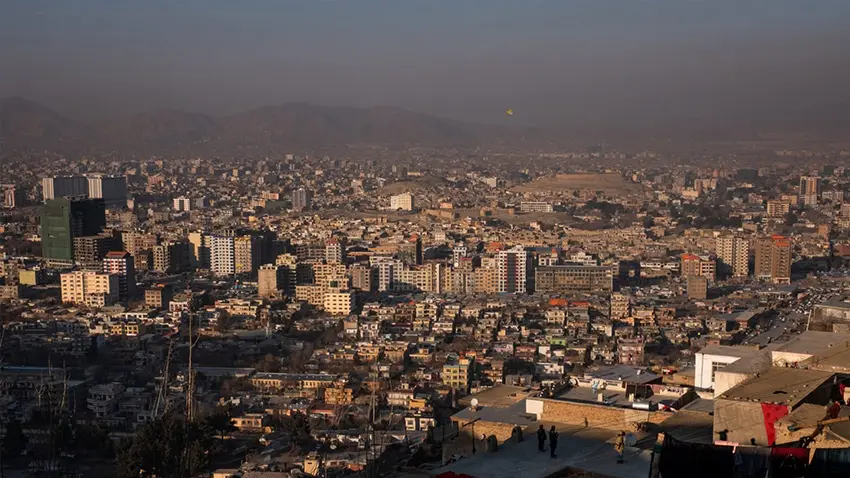

Five years after the change of the political system in Afghanistan, the country finds itself in a situation where, on the surface, the widespread war and nationwide conflicts of previous years are no longer visible. However, recent United Nations reports indicate that the issue of security has not yet been fully resolved in Afghanistan. According to the latest report by António Guterres, the UN Secretary-General, armed groups opposed to the Taliban claimed responsibility for 88 attacks across 21 provinces of Afghanistan between the first of May and the end of July, 55 of which were confirmed by the United Nations. During the same period, nearly three thousand security incidents were recorded in Afghanistan, showing an 11 percent increase compared to the same period last year.
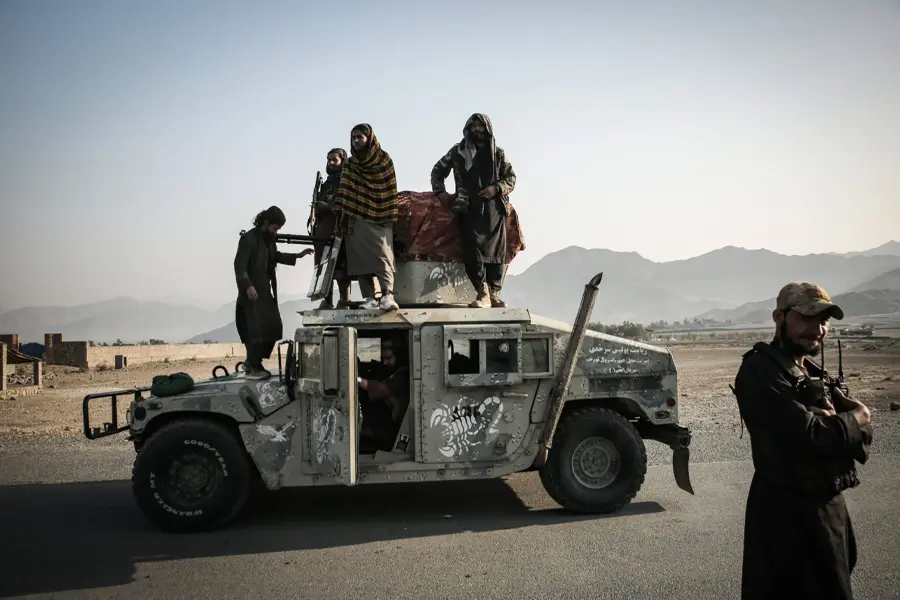
But this statistic sits alongside another reality: Taliban-opposed groups, despite carrying out scattered attacks, have so far been unable to seriously challenge the Taliban’s territorial control. The UN report describes these groups as more dispersed and decentralized, and says their main focus has been on ambushes, attacks on checkpoints, and military installations belonging to the Taliban. However, the simultaneous release of this report with a warning from Hibatullah Akhundzada, the Taliban leader, to the group’s security officials is noteworthy. At a security meeting in Kandahar, Hibatullah Akhundzada warned the group’s security officials that even a moment of negligence could pave the way for the opposition’s success, and asked them to carry out their responsibilities more seriously to prevent insecurity. These remarks indicate that alongside the claim of providing nationwide security, the issue of scattered threats and opposition attacks still holds a place in the Taliban’s security calculations.
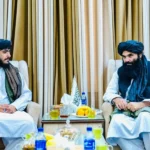
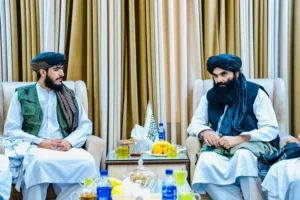
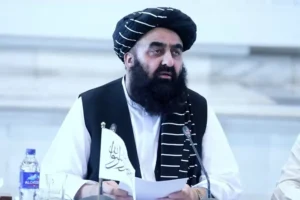
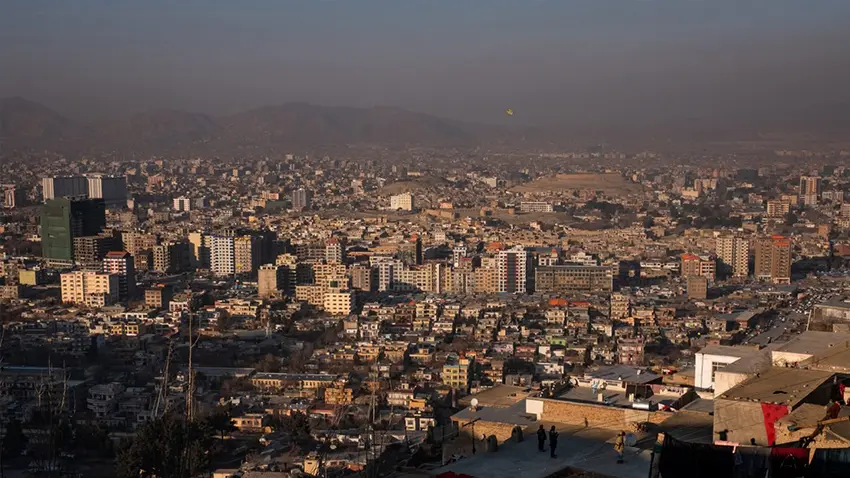
But Afghanistan’s challenge is not limited to attacks by armed opponents. At the recent UN Security Council meeting, the US representative devoted a significant portion of his remarks to the presence of terrorist groups, the detention of foreign citizens, the human rights situation, and the restrictions imposed on women and girls in Afghanistan. On the other hand, the issue of Afghanistan remains an important security and political matter for regional countries. Simultaneously with the Security Council meeting, Kabul witnessed the coming and going of senior regional security officials. The deputy of Qatar’s National Security Council met with the Taliban’s Minister of Defense and Minister of Interior in Kabul and discussed expanding relations, cooperation, and engagement with the international community. On the other hand, the head of Turkey’s National Intelligence Organization also arrived in Kabul at the same time. Although the full details of the agenda of these visits have not been officially announced, the simultaneous presence of senior Qatari and Turkish security officials in Kabul indicates the continued attention of regional actors to developments in Afghanistan.
In fact, the current picture of Afghanistan is multilayered: on one hand, the Taliban have managed to maintain territorial control of the country, and armed opponents have so far been unable to create an organized and widespread threat against this control; on the other hand, UN statistics indicate an increase in security incidents, and concerns about terrorist groups, the human rights situation, and the future of Afghanistan’s engagement with the world persist. It is from this point that the issue of Afghanistan’s security is no longer merely a domestic matter. Border security, the activity of armed groups, relations with neighboring countries, the presence of terrorist groups, and the manner of the Taliban’s engagement with the international community are all intertwined.
In such circumstances, the Taliban are simultaneously trying to expand their relations with regional countries and pave the way for greater engagement with the international community; while at the UN Security Council, a significant part of the discussions still concerns the Taliban’s domestic policies and the group’s commitments to the international community. The recent UN report in fact presents a dual picture of Afghanistan: a country with relatively stable territorial control, but with security, political, and international challenges that have not yet come to an end. Now the main question is whether this situation can turn into sustainable stability, or whether Afghanistan will remain caught in a set of scattered internal threats and external pressures. The answer to this question will depend to a large extent on the Taliban regime’s ability to provide security, manage regional relations, respond to the concerns of the international community, and create the ground for a broader internal and external engagement.