
28 Asad, marking the anniversary of Afghanistan’s independence from Britain in 1919, is one of the most important days in the country’s contemporary history; the day Afghanistan, during King Amanullah Khan’s era, achieved independence in its foreign policy and entered a new phase of its political history.
Afghanistan’s independence was recognized after the Third Anglo-Afghan War and the Rawalpindi Agreement in 1919. After that, Amanullah Khan did not see independence merely as freedom from foreign influence and tried to turn Afghanistan into an independent, law-based, and modern country.
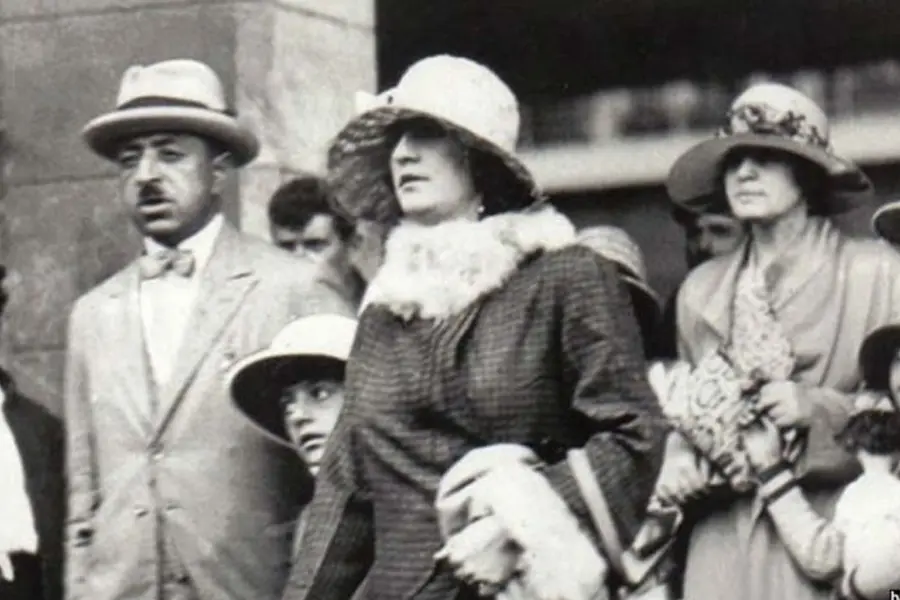
Amanullah Khan’s reforms were pursued in various political, social, and educational fields. Creating a new legal system, efforts to expand modern education, establishing schools for girls, sending students abroad, and attempting to reduce social restrictions on women were among the actions that placed Afghanistan on the path of change.
Queen Soraya, alongside Amanullah Khan, also played a prominent role in advancing social reforms and the status of women. During their era, girls’ education expanded, and women were encouraged to participate more in the public sphere; but part of Amanullah Khan’s reforms faced opposition from traditional and religious currents. The speed of reforms, social changes, and efforts to reduce some deep-rooted traditions provided the ground for widespread protests and ultimately led to the fall of his government in 1929. Some social reforms and women’s rights also regressed after Amanullah Khan’s fall.
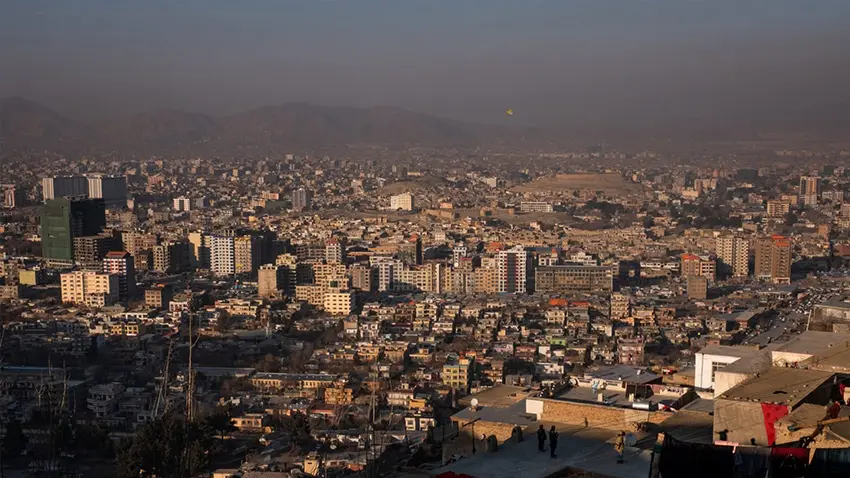
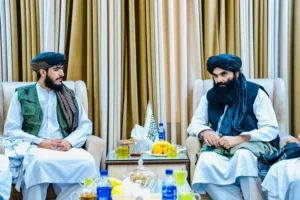
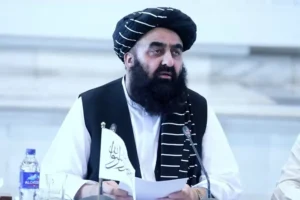
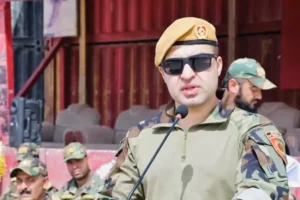
Now, 107 years after Afghanistan’s independence, 28 Asad is commemorated under conditions where Afghanistan is once again under the rule of the Taliban; a group that, after returning to power in August 2021, has imposed widespread restrictions on the social and political life of citizens, especially women and girls.
However, commemorating independence in Afghanistan’s current conditions has come with questions about the meaning of independence and freedom; because while the Taliban speak of the country’s independence and the end of foreign forces’ presence, millions of Afghan citizens are deprived of parts of their fundamental rights and freedoms.
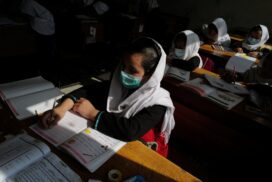
Restrictions on women and girls have become wider than before. According to a new UNESCO report, about 2.4 million Afghan girls are deprived of secondary education, and Afghanistan is the only country in the world where girls and women are officially banned from secondary and higher education.
The Taliban have also imposed widespread restrictions on women’s employment, movement, presence in the public sphere, and civic activities. The United Nations says that since the Taliban’s return to power, more than 100 restrictive decrees have been issued against women, and restrictions have affected women’s education, work, health services, and freedom of movement.
In such circumstances, 28 Asad is not only a reminder of a military and diplomatic victory over Britain; this day is also an opportunity to reread the concept of independence in Afghanistan’s history. Independence in 1919 meant freedom from foreign domination, but for Amanullah Khan, this independence was accompanied by efforts to build a modern state, expand education, and reform the social condition of the people.
More than a century later, Afghanistan is commemorating the anniversary of that same independence while women and girls have been pushed out of a large part of the public sphere and millions of girls are deprived of continuing their education. The United Nations has described the situation of women’s rights in Afghanistan under Taliban rule as one of the most severe women’s rights crises in the world.
Thus, 28 Asad in today’s Afghanistan places two different images of independence side by side: an image of Amanullah Khan’s Afghanistan, which linked independence with reforms and efforts to enter the modern world, and an image of today’s Afghanistan, in which Taliban rule has combined independence from foreign power with widespread restrictions on civil liberties and women’s rights.
Afghanistan’s independence anniversary this year also arrives as a large part of Afghan society, especially women and girls, still demands the return of the rights and freedoms they had gained over the past decades.