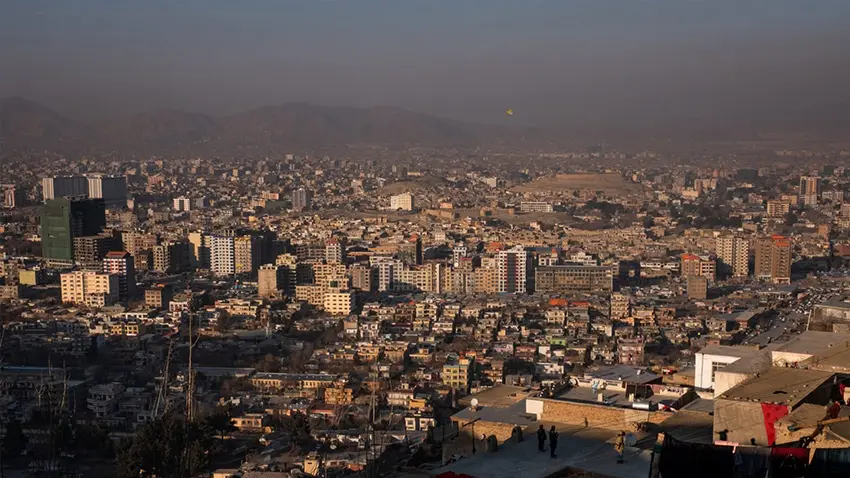

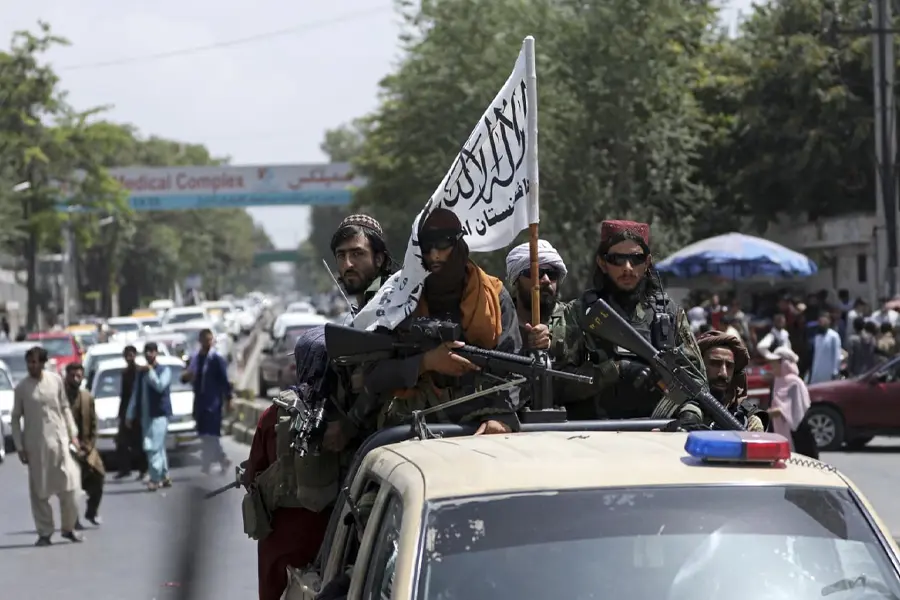
Five years have passed since the Taliban’s return to power, the collapse of hopes, and the beginning of a new chapter of repression in Afghanistan; but the question of justice and the responsibility of those who played a role in this catastrophe remains unanswered.
August 15, 2021, for millions of Afghan citizens — especially women, girls, and the younger generation — became a symbol of the collapse of hopes for the future; the day the Taliban once again took control of Afghanistan, and a large part of the freedoms, civil achievements, and future prospects of a generation were placed under threat.
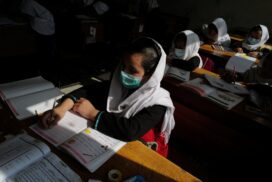
Five years after that day, Afghan women and girls still face widespread restrictions in education, work, freedom of movement, and participation in social life. During this same period, the humanitarian and economic crisis has also affected the lives of millions of citizens.
The American Withdrawal and Unanswered Questions
The policies and decisions of the United States and its allies in the years leading up to the fall of the Islamic Republic of Afghanistan — especially the process of withdrawing foreign forces and the agreement with the Taliban — remain among the important topics of discussion about Afghanistan’s fate.
The withdrawal of foreign forces in 2021 and the rapid collapse of the republican government confronted Afghanistan with a deep crisis — a crisis whose consequences continue to this day.
The people of Afghanistan have the right to ask the powerful governments of the world why their political decisions came at the cost of losing the security, freedom, and future of a generation.
From the Biden administration and the legacy of American policy in Afghanistan to the policies of the Trump administration and the approach of other countries, the responsibility of the international community toward Afghanistan’s fate remains a serious question.
International Aid and the Question of Accountability
Over the past five years, humanitarian aid and international financial resources have continued to flow into Afghanistan; an action that, on one hand, is considered necessary to prevent the worsening of the humanitarian crisis, but on the other hand has created concerns about the possibility of strengthening the Taliban’s governing structures.
The international community must ensure that humanitarian aid reaches the people of Afghanistan and that financial resources do not lead to the strengthening of structures of repression and human rights violations.
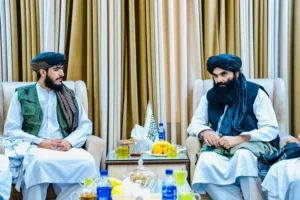
At the same time, some countries have taken steps to expand or normalize relations with the Taliban, while widespread restrictions against women and girls continue.
This situation raises an important question: where is the line between engaging with Afghanistan’s rulers and holding them accountable for human rights violations?
Justice; A Question Still Without an Answer
One of the most important questions of the past five years is the issue of justice and accountability.
Where is justice? Which institution should hold accountable the perpetrators of crimes, repression, and widespread violations of the Afghan people’s rights? What is the role of international institutions, including courts and human rights mechanisms, in this regard?
Accountability should not include only one group or one political period.
Every individual or group that has played a role in crimes, corruption, human rights violations, or decisions that have harmed the Afghan people must be accountable before the law and the people; whether within the Taliban structure, within the republican government, or among other political and military actors.
This question also applies to officials who played a role in fateful decisions during the republic era and, after the fall of the government, continued their political activities without serious accountability.
Women; The Main Victims of the Crisis
Meanwhile, Afghan women and girls are among the greatest victims of the current situation.
Deprivation from education and work, widespread social restrictions, forced marriages, violence, and psychological pressures are part of the reality with which many Afghan women and girls live.
However, they are not only victims; Afghan women have resisted these restrictions. Women’s protests inside Afghanistan, their civic activities, and the efforts of women activists abroad show that resistance against repression continues.
But their voices are still not heard sufficiently.
There is another concern: the suffering of Afghan women should not become a tool for political projects, personal interests, or organizational funding. Support for Afghan women must serve their own rights, freedoms, and demands.
The Pain of a Generation
For many young Afghans, August 15 is not just a political event; it is the memory of a lost future.
A generation that had grown up hoping for education, freedom, social participation, and building a different future suddenly faced the collapse of many of its dreams.
The past five years, for many young Afghans, have been accompanied by migration, unemployment, deprivation, fear, and distrust toward the future.
However, this generation is still alive and still wants to build Afghanistan’s future.
August 15 Will Not Be Forgotten
Five years have passed since August 15, 2021, but for the people of Afghanistan, this day has not ended.
As long as Afghan women and girls are deprived of education and work, as long as the fundamental freedoms of the people are restricted, and as long as the perpetrators of human rights violations are not held accountable, the question about what happened in Afghanistan will remain.
For many Afghans, August 15 is the day a political system fell; but for one generation, it is the day part of its future was taken from it.
Afghanistan still needs justice, freedom, education, work, human dignity, and the right to self-determination.
Five years have passed, but the struggle for Afghanistan’s future has not yet ended.