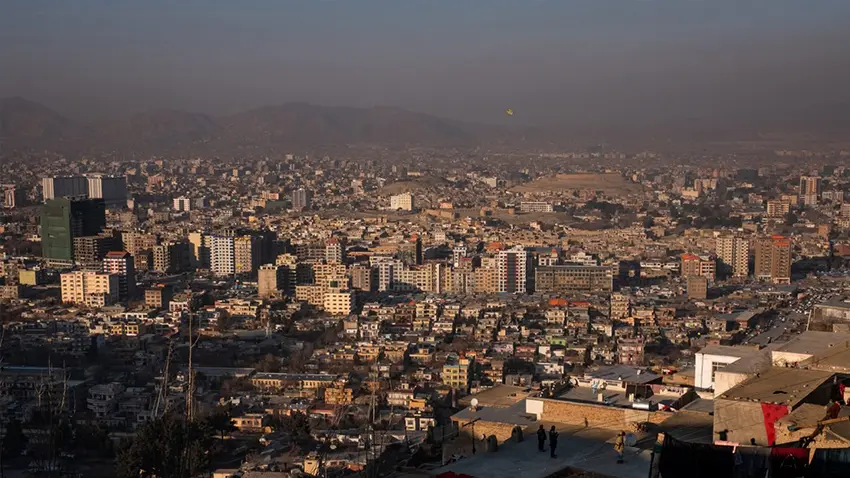

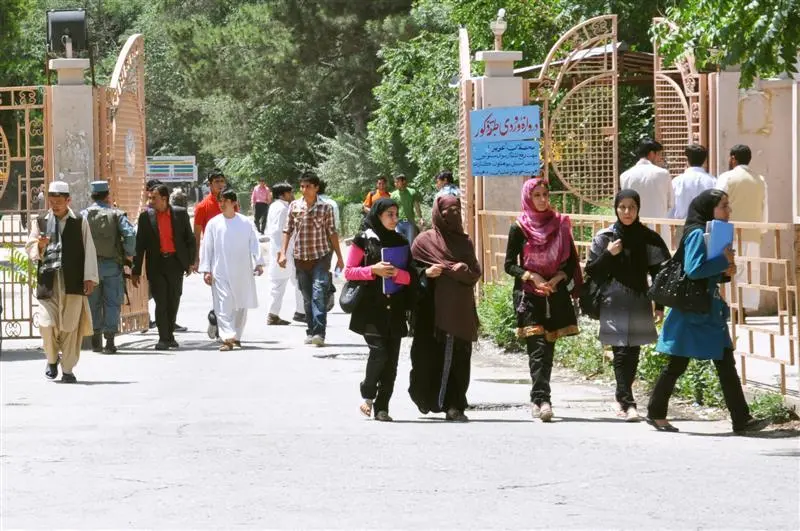
I am someone who lived for long years in Afghanistan during the republic era; a generation that spent part of its youth and life in the atmosphere of that period and experienced freedoms such as going to school, education, attending university, movement, and personal choices.
For this reason, the days approaching the fall of Kabul and the end of that era were not just a political event for me; rather, I felt that part of my life and the memories I had lived with for years were changing.
Before the fall of Kabul, in the days when Afghan provinces were falling one after another, I was very worried; but despite that, I had so much belief and confidence in the country’s security forces that every day at the university I would tell the boys and girls in my class: “Don’t worry, Kabul will not fall.”
Two days before the fall of Kabul, one of my classmates said: “Let’s sit together more; the situation is bad, maybe we won’t see each other again.”
That sentence was strange to me. Until then, I still believed that Kabul would not fall and our normal life at the university would continue.
But gradually, some of my classmates stopped coming to the university, and the university atmosphere was no longer as before. The university’s population had decreased, and worry was more visible among students.
Some of my classmates who had already obtained visas and tickets left Afghanistan with their families and had migrated to Iran, Pakistan, and Tajikistan.
In the two remaining days before the fall of Kabul, we walked in the university courtyard many times, strolled, and talked; perhaps without knowing it, those were the last days we were together in that university space.
Today, five years after those days, when I think of those memories, my classmate’s sentence stays in my mind more than anything: “Maybe we won’t see each other again.”
That day we thought only a few difficult days were ahead, but we did not know that the lives of many of us would change forever.