
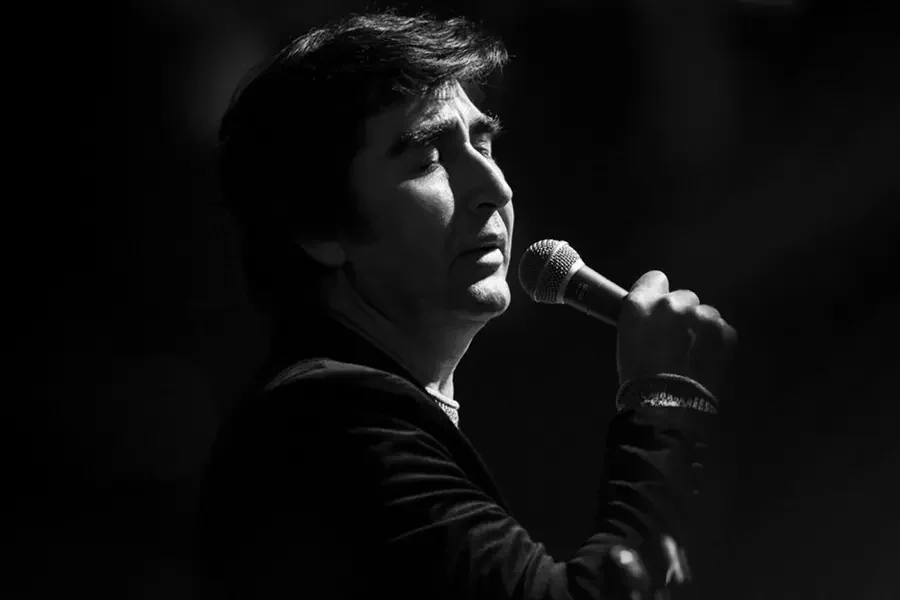
I love Dawoud Sarkhosh; not only for his voice, but for the feeling that flows through his songs. For the fact that when he sings, poetry doesn’t just come out of his mouth; it’s as if he carries with him a part of the memory, homeland, longing, and hope of a generation.
I am Tajik, and Dawoud Sarkhosh is Hazara, but I have never understood music and art through ethnic borders.
Sarkhosh is not just a Hazara singer to me; he is an artist whose voice has gone beyond ethnicity and reached my heart and the hearts of many others.
I remember the university years well. When we sat beside our Hazara classmates, we listened to Dawoud Sarkhosh and enjoyed it without any sense of discrimination or distance.
Sarkhosh’s music, for a few moments, pushed aside all those borders that people have built for each other. Sometimes, even at our own intimate gatherings, it was Sarkhosh’s voice that played, and we listened with great fondness.
The first song that brought me close to Sarkhosh was this:
“My homeland, again now, you and the shoulders of the Pamir
Shake off the stars, so that dawn may spread everywhere”
From that moment, his voice took on a different color for me. A voice that smells of mountains and homeland, and also of exile and waiting; a voice that can take a person away from themselves and from the noise of the world for a few moments.
And then, I heard other songs by him; including the song in which he sings:
“I would write between colors, if I had color…”
Sometimes I think the beauty of Sarkhosh’s voice is not only in singing well; it is in the way he sings the words, so that a person wants to hear them again and again. Some singers sing songs, but some create memories. For me, Sarkhosh is from the second group.
The news of his illness and that he had been away from the stage for a while must certainly have been hard for his fans, but today, hearing that he has overcome cancer and that he himself says he is well is no small news; it is the news of the return of a voice; a voice that is still worth hearing and dear to many.
Perhaps one of the most beautiful things about art is this: that it can make people sit together, without asking which ethnicity they are from or which land they have come from.
I am Tajik, he is Hazara, but in Sarkhosh’s music, these differences have never been an obstacle for me to love him.
Dear Dawoud Sarkhosh, I am happy that you have gotten better. I hope the days ahead are full of health, peace, and song for you. I hope we see you on stage again and hear your voice; the same voice that began for me with “My homeland, again…” and is still in my ears.
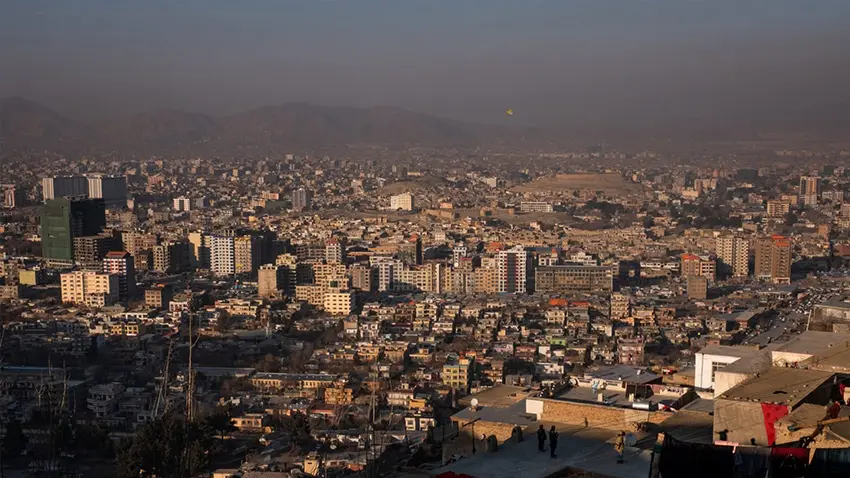
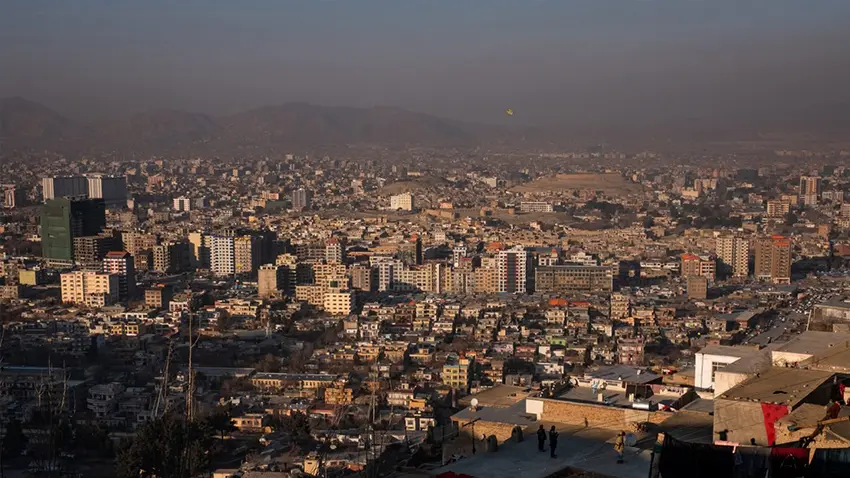
I hope that one day you will sing and play the dambura on Wazir Akbar Khan Hill in Kabul, and I will listen with complete eagerness.
Your health is my wish, and your voice, enduring.