

Pakistan, in response to ongoing Houthi missile and drone attacks against Saudi Arabia, has declared its support for what it calls “Riyadh’s legitimate right to self-defense.”
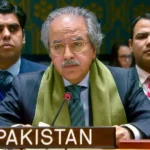
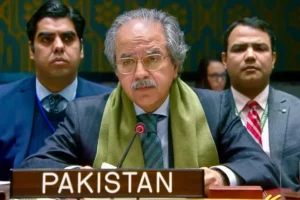
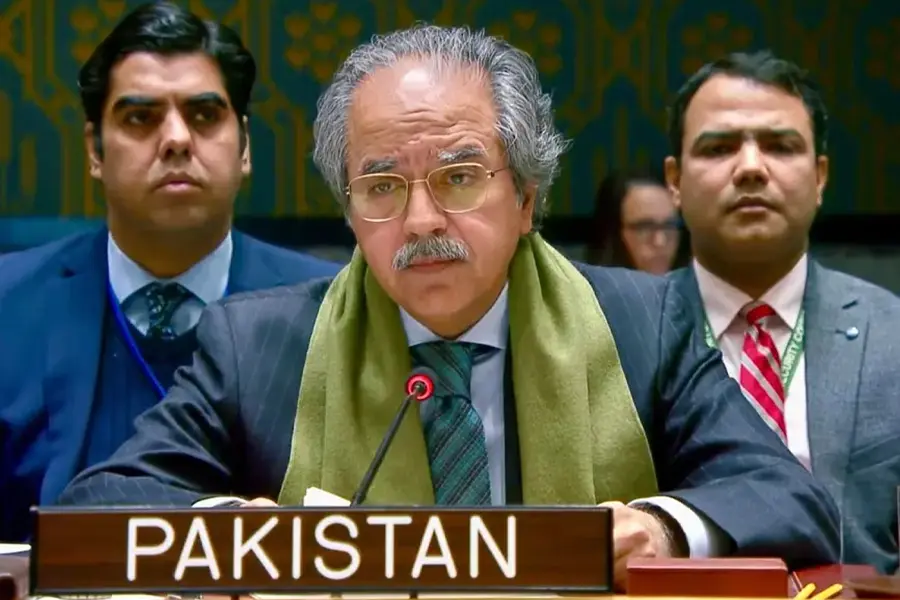
Asim Iftikhar Ahmad, Pakistan’s representative to the United Nations, condemned the Houthi attacks and said Saudi Arabia has the right, under the UN Charter and international law, to take necessary measures to protect its territory, citizens, and assets.
The Pakistani representative also warned about the security consequences of these attacks in the region, saying that the expansion of attacks to the Bab al-Mandab Strait and surrounding waters could seriously endanger maritime and energy security in the region.
According to him, continued attacks on commercial ships could affect freedom of navigation, global trade routes, supply chains, and energy security — making an immediate de-escalation essential.
Referring to Yemen’s political situation, Ahmad stated that the calm that had taken shape since 2022, following extensive efforts to reduce tensions, has now collapsed.
He warned that continued conflict could pave the way for a wider war in Yemen and the spread of the crisis to other parts of the region.
While supporting Saudi Arabia’s right to self-defense, Islamabad has also emphasized a political solution to the Yemen crisis.
Pakistan’s representative to the UN stated that his country supports the resumption of inclusive political negotiations centered on Yemeni parties and under UN supervision, and will back diplomatic efforts to reduce tensions and reach a sustainable political agreement.
These remarks come as Houthi drone and missile attacks against Saudi Arabia have increased.
In the latest case, the Saudi-led coalition announced that a Houthi drone heading toward Mecca’s airspace was intercepted by air defense systems.
The Saudi coalition described the incident as the second attempt to target Mecca since 2017 and called the security of Islam’s holy sites a red line.
Relations between Pakistan and Saudi Arabia have a long history in defense and security.
These ties have entered a new phase in recent months with a trilateral defense agreement among Pakistan, Saudi Arabia, and Turkey — an agreement based on the principle of mutual deterrence, treating an attack on one member as a threat to all members.