

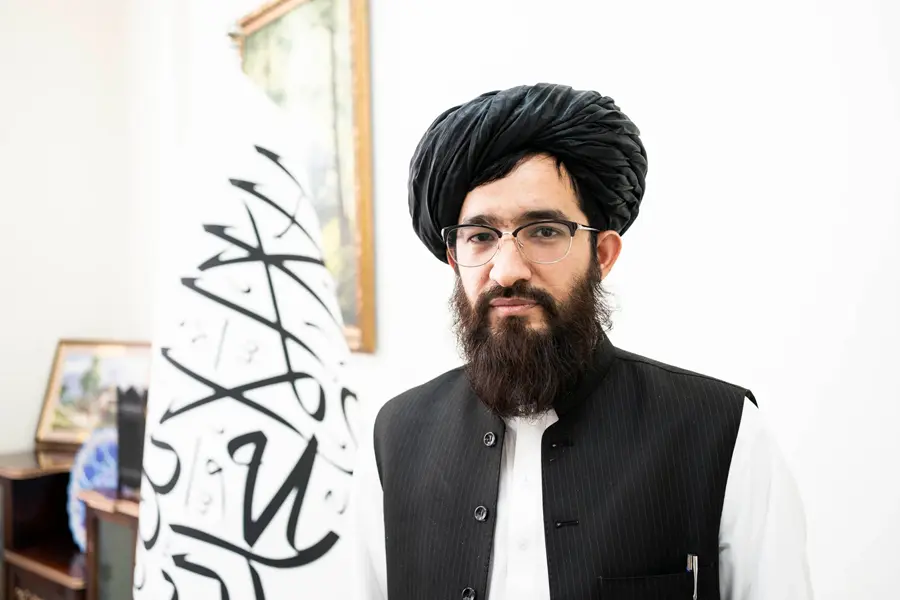
Abdul Qahar Balkhi, spokesman for the Taliban’s Ministry of Foreign Affairs, says the group’s regime has made achievements in some areas beyond its initial plans over the past five years, but economic problems, unemployment, and international isolation have prevented the Afghan people’s demands from being fully met.
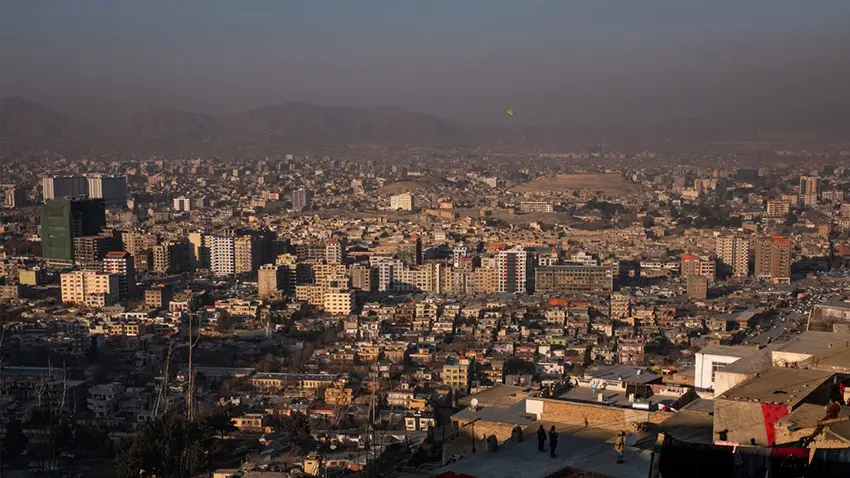
Balkhi said in an interview with CBS on Tuesday, September 15 (24 Sunbula), that the Taliban has made progress in areas such as providing security, increasing exports, and establishing factories; however, economic restrictions and international pressures remain major factors behind the country’s existing problems.
He emphasized that Afghanistan has faced economic challenges and restrictions in foreign relations over the past five years, and this situation has affected people’s lives and livelihoods.
In another part of the interview, the Taliban Foreign Ministry spokesman addressed the ban on girls’ education above the sixth grade, saying that every government sets its education policies based on what it considers the national interest.
He claimed that education has not been completely halted and that girls can continue their education through avenues such as home schooling, religious schools, and online programs.
However, since Asad 1400 (August 2021), the Taliban has suspended education for girls above the sixth grade, and university education for girls is also banned.
The United Nations and several international bodies have repeatedly condemned these restrictions.
Abdul Qahar Balkhi also commented on the September 11 attacks, saying the Taliban condemns targeting civilians anywhere, and the group’s position in this regard has not changed.
Referring to the Doha Agreement, he also said Afghan soil should not be used against any country, including the United States.
The Taliban Foreign Ministry spokesman called for establishing official relations with countries around the world, including the US, and emphasized the release of the frozen assets of Afghanistan’s central bank.
The Doha Agreement was signed in February 2020 between the US and the Taliban and stressed preventing Afghan soil from being used to threaten or attack the US and its allies.
Despite this, United Nations reports have spoken of the presence of groups such as Al-Qaeda and ISIS-Khorasan in Afghanistan.
The assets of Afghanistan’s central bank — billions of dollars of which remain frozen abroad — also remain a point of contention between the Taliban and Washington.