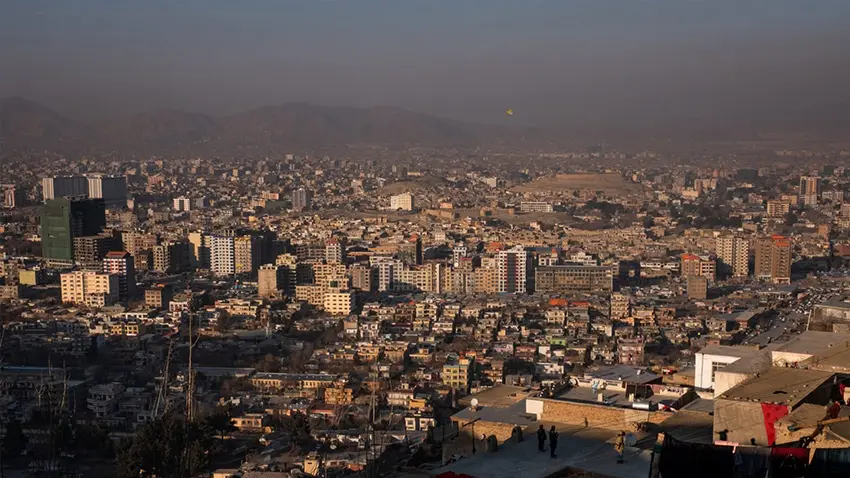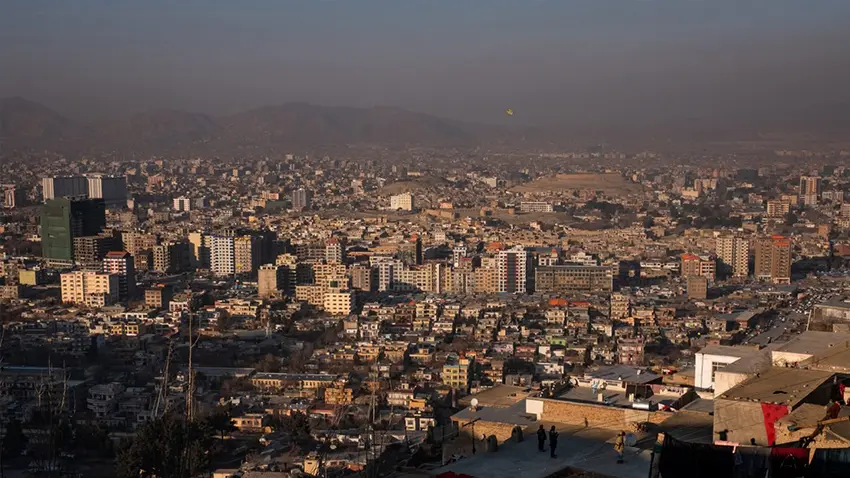

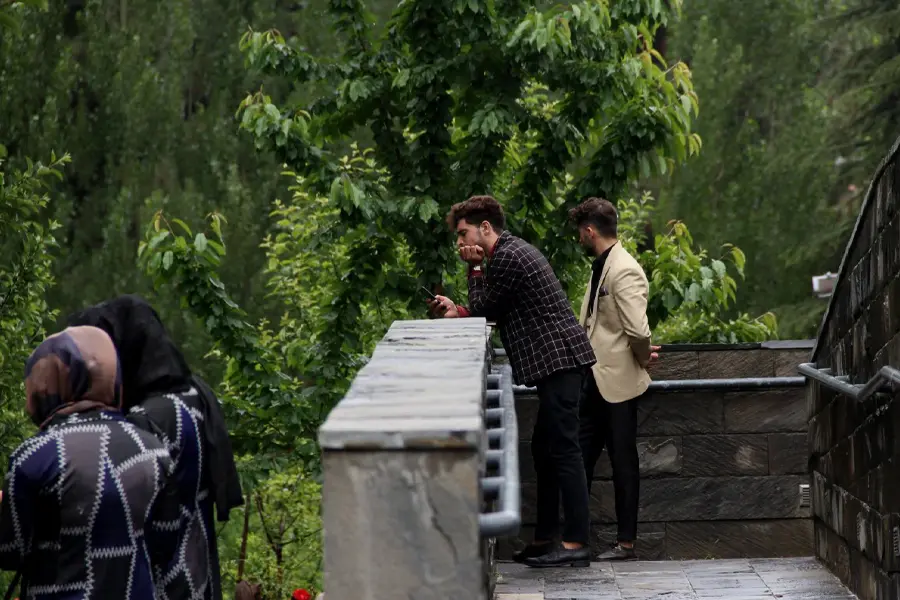
August 15, 2021, was a Sunday. I woke up as usual, but the news I was reading on Facebook was different from other days. News of the fall of Nangarhar and Balkh had been published, and the city’s atmosphere was gradually taking on a different color.
With an uneasy mind, I headed to Kabul University. When I arrived at the university, unlike usual days, almost no one was there, and only a few students were present. I sat with a friend in a corner of the university. What drew our attention most was the unusual patrolling of security force rangers around the university grounds.
We were talking. We were worried, but we still couldn’t believe Kabul would fall. We jokingly told each other: “No, Kabul won’t fall; the zeroes and ones won’t let it.”
At that time, we didn’t know that a few hours later, these same joking words would turn into a bitter memory of a historic day.
Meanwhile, my family called several times. They were worried and asked me to return home as soon as possible.
My classmate and I left the university and headed toward the Sayed Jamaluddin gate; but the city was no longer like usual days, and finding a car was difficult. We saw girls waiting by the roadside for a car.
One of the scenes I still haven’t forgotten is the conversation between a taxi driver and one of the girls. The driver told her: “Come, get in the car.” When the girl refused to get in, the driver said in a threatening tone: “When the Taliban come, they’ll punish you.”
That sentence was heavy for me; as if fear of something that had not yet fully arrived was already evident in people’s behavior.
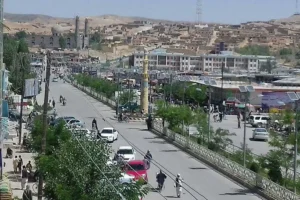
From there, we headed toward Koteh Sangi. The closer we got, the more the people’s chaos was visible. Everyone was in a hurry, and everyone wanted to find a way to get home.
No car could be found. Unlike usual days when I would go home for 50 Afghanis, that day I faced great difficulty in getting back.
In those very moments as I was approaching home, news spread through the city that was hard for me to believe: “Kabul has fallen.” The Taliban had entered Kabul.
A few hours later, another news was published: Mohammad Ashraf Ghani, the then-President of Afghanistan, had left the country.
That day was not just a political change for me. August 15 became the blackest day of my life; a day when everything changed in a few hours; the streets, the university, the city, and even our view of the future.
A young person who had thousands of dreams and aspirations in his heart suddenly faced a reality he had never imagined.
That day, it was as if a chapter of our lives was closed, and darkness gradually took the place of hope.