
A new report by the “Afghanistan Analysts Network” warns that the decline in measles cases in 2026 does not mean the end of the disease in Afghanistan, and the weakness of routine vaccination continues to keep the risk of re-outbreak high in the country.
This report, prepared on Tuesday, September 29, based on 12 interviews with doctors, health workers, and families, says that measles outbreaks in 2024 and 2025 put heavy pressure on hospitals and families. In 2025, more than 97,000 suspected measles cases were recorded and 552 deaths related to the disease were reported; the highest number of suspected cases since 2001.
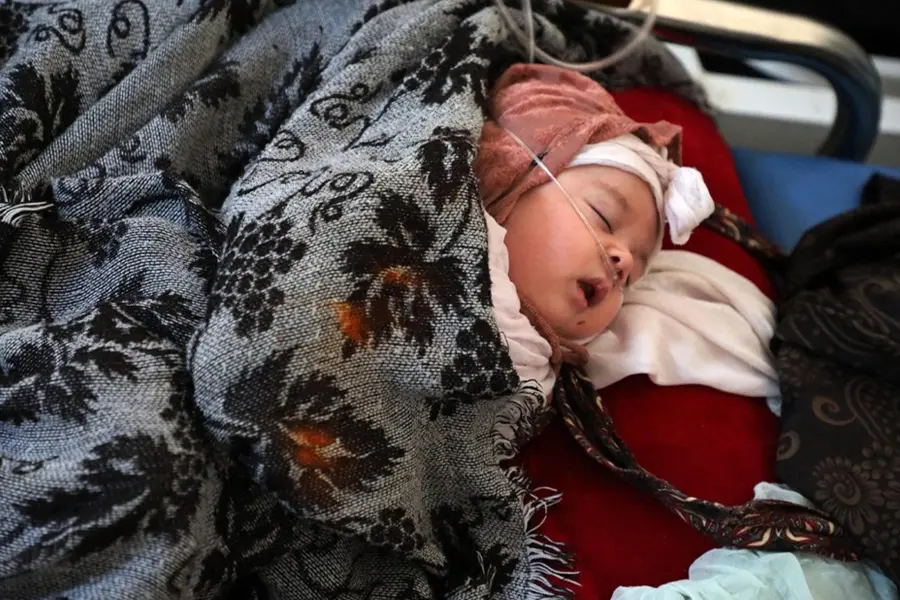
According to this network, at the peak of the 2025 outbreak, a number of hospitals faced severe crowding of patients. In Faizabad Hospital in Badakhshan, doctors at times hospitalized 50 to 60 measles patients daily; while the children’s ward had only 30 beds, but the number of patients on some days reached about 180 children.
In Bost Hospital in Helmand, doctors also reported 200 to 300 measles patients visiting per week. In Farah, a shortage of beds and health workers had caused several children to be hospitalized in one bed at the same time.
The report says that after a nationwide vaccination campaign in late 2025 that covered more than 16.7 million children, measles cases declined in many areas.
According to Ministry of Public Health data cited in this report, by the end of August 2026, about 18,826 suspected cases and 78 deaths had been recorded. However, 76 percent of recorded cases in 2026 were related to children under five years old.
The Afghanistan Analysts Network has emphasized that the fundamental problem is not only the periodic outbreak of the disease, but the low coverage of routine and two-dose vaccination.
According to this institution’s assessment, in recent years many children, especially in remote and poor areas, have not had access to routine vaccination.
In a survey of 2022 and 2023, only about 51 percent of children received the first dose of the measles vaccine and 37 percent received the second dose; while to prevent the outbreak of this disease, two-dose coverage of about 95 percent is considered necessary.
This report warns that Afghanistan cannot prevent the recurrence of measles outbreaks only with periodic vaccination campaigns, and to break this cycle, widespread and regular access of children to two doses of the vaccine and strengthening of the health system throughout the country is necessary.
It is worth noting that according to reports, Afghanistan’s health system has faced many problems with the Taliban coming to power.
After the Taliban’s return to power, Afghanistan’s health system still faces a shortage of resources, heavy dependence on foreign aid, and difficulty for people in accessing health services.
The World Health Organization has said that in 2025, at least 422 health centers closed or ceased operations following the reduction of financial aid, and this situation has limited millions of Afghan citizens’ access to health services.