
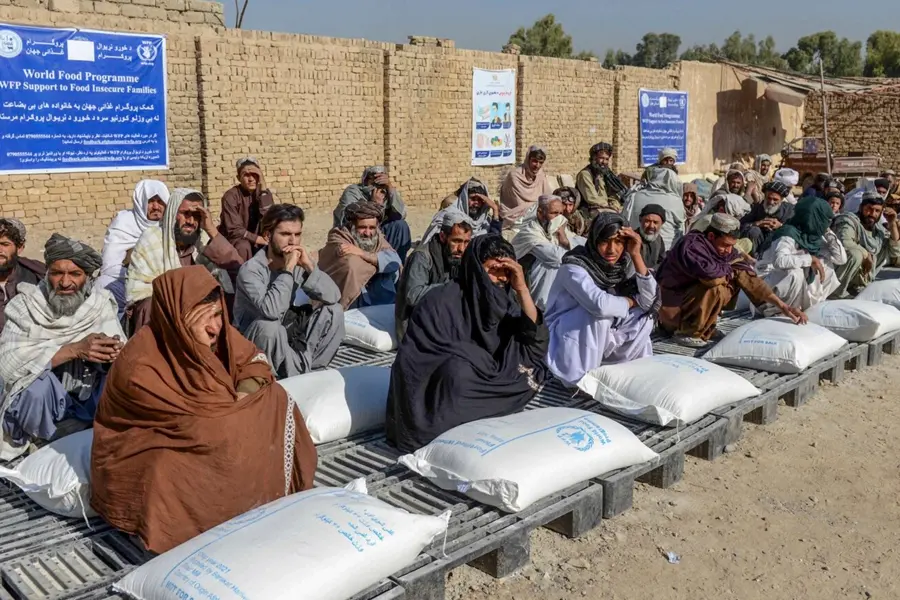
The United Nations has allocated $18 million in emergency funding to address the humanitarian needs of more than 824,000 people in Afghanistan.
The UN Office for the Coordination of Humanitarian Affairs (OCHA) announced on Tuesday, November 17, that Tom Fletcher, the UN Under-Secretary-General for Humanitarian Affairs and Emergency Relief Coordinator, had approved the funding from the UN Central Emergency Response Fund (CERF).
The assistance is intended to support vulnerable families ahead of the winter season and the lean season in Afghanistan.
According to the announcement, the funding comes at a time when families are facing mounting economic pressures, food insecurity, and the risks associated with the 2026–2027 winter and lean season.
The funding will support seven projects covering food security and agriculture, health, nutrition, protection, shelter, drinking water, sanitation, and hygiene. The projects aim to prevent avoidable deaths, illness, and protection risks by addressing urgent household needs and maintaining essential services in areas facing severe humanitarian needs.
Bruno Lemarquis, the UN Humanitarian Coordinator for Afghanistan, said the coming winter would place additional pressure on families already struggling to meet their basic needs. He stressed that people must have access to food, healthcare, safe water, and protection services before conditions deteriorate further.
He said the funding would enable humanitarian partners to reach communities facing the greatest risks. He also emphasised the role of national and local organisations, particularly women-led groups, in delivering coordinated assistance.
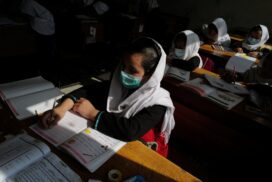
The announcement said national and local organisations would play a key role in implementing the response. The assistance will target vulnerable returnees, internally displaced people, and host communities, with women and girls, children, older people, and persons with disabilities among the priority groups.
The allocation is part of a broader $48 million humanitarian response for Afghanistan, which also includes an additional $30 million from the Afghanistan Humanitarian Fund (AHF).