
As Taliban restrictions on women’s education and employment continue to undermine millions of Afghan women’s access to healthcare, a new report published by Forbes says cuts to foreign aid have further deepened the crisis, with at least 161 preventable deaths among women and children reported.
On Sunday, November 15, Forbes published a report by Christine Ro, a journalist covering science and development, highlighting the growing challenges facing Afghanistan’s healthcare system following the Taliban’s return to power and the imposition of sweeping restrictions on women’s education and employment. The consequences, the report says, have fallen disproportionately on pregnant women, mothers and children.
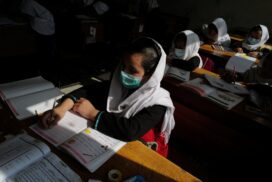
According to the report, Afghanistan already had one of the highest maternal mortality rates in the world even before the Taliban returned to power. However, the ban on women and girls pursuing medical education in 2024 has further deepened the crisis in women’s access to healthcare.
Forbes also points to a significant decline in foreign aid following the dismantling of the United States Agency for International Development (USAID) in 2025, noting that Afghanistan’s healthcare system lost one of its most important sources of international funding.
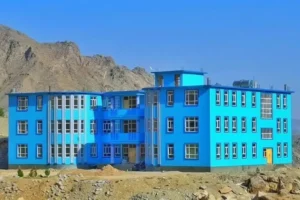
According to information from Refugees International, at least 167 health facilities serving approximately 1.6 million people had closed by March 2025.
The organisation assessed the impact of cuts to US development assistance by examining hospital records and surveying hundreds of healthcare workers across most provinces of Afghanistan.
The findings indicate that cuts in financial support have been associated with at least 161 preventable deaths among women and children.
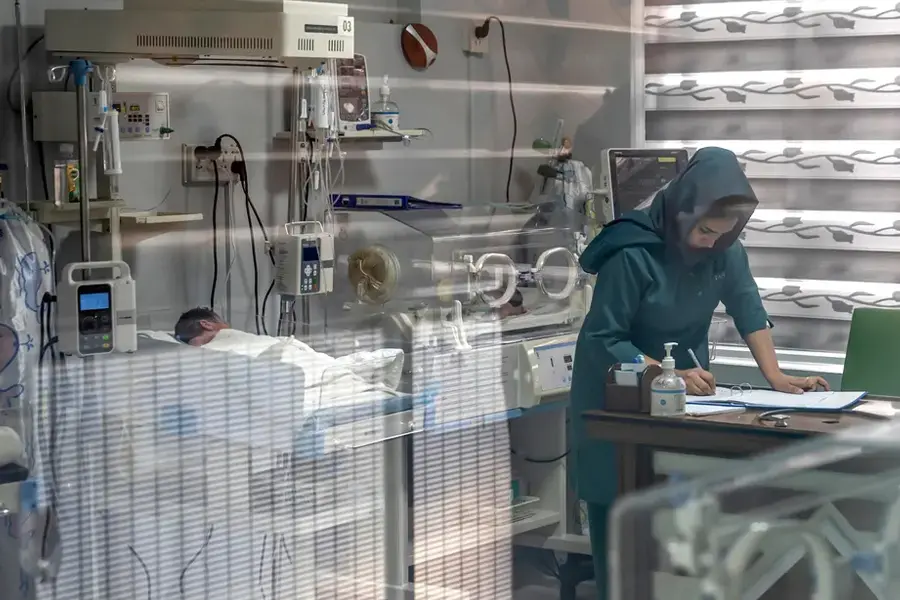
The Forbes report also highlights the direct consequences of the healthcare crisis. In Kunar Province, for example, fatal cases of newborn asphyxia during childbirth increased by approximately 156% in 2025 compared with 2024.
The closure of blood transfusion services, maternal deaths caused by haemorrhage, the shutdown of maternity care centres and the reduction of nutrition programmes are among the factors identified as posing serious threats to the health of mothers and children.
Fewer Female Healthcare Workers: A Threat Beyond Hospital Closures
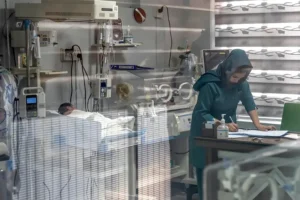
One of the major concerns highlighted in the report is the declining number of female doctors, nurses and midwives in Afghanistan.
Due to restrictions on girls’ access to medical education, the number of female nurses and midwives, which stood at nearly 12,000 in 2022, is projected to fall to between approximately 5,500 and 7,500 by 2035.
This comes as Taliban restrictions on women’s movement and access to healthcare make it difficult for many women to seek medical treatment from male doctors.
Forbes reports that even male doctors face restrictions when examining female patients and newborn girls, while men are not permitted to work as midwives. As a result, the shortage of female healthcare professionals could seriously undermine women’s access to even the most basic medical services.
Women Supporting Women: Underground Training and Glimmers of Hope
Despite these restrictions, some Afghan women continue to seek ways to pursue medical training and provide healthcare services. Some educational programmes are continuing online, through informal arrangements and, in certain cases, through covert training initiatives at hospitals.
According to Forbes, at least six hospitals in Afghanistan continue to provide opportunities for some women to receive medical training discreetly.
In addition, several international organisations, including Médecins Sans Frontières (MSF) and MSI, are working to support the training and professional development of female healthcare workers.
One example highlighted in the report is a midwife in Herat Province who studied midwifery and Pashto literature and volunteered at two healthcare facilities. She has now been able to join a mobile healthcare team operated by MSI, which travels to remote parts of Afghanistan to provide medical services to women.
However, declining international aid funding has also affected these efforts.
MSI says that 250 Afghan women had applied to participate in its midwifery training programme before donor funding was cut. Following the reduction in available resources, the organisation has only been able to provide training opportunities to a much smaller group of women.
The Forbes report emphasises that although the limited efforts of aid organisations and women working in the healthcare sector offer hope to many women and families, they cannot, on their own, compensate for the absence of a functioning, comprehensive and sustainable healthcare system.
The report concludes by stressing the need to lift the ban on women’s medical education and secure sustainable funding for Afghanistan’s healthcare system. It warns that without both financial and political solutions, the healthcare crisis affecting women and children will continue to worsen.
*Background*
Since the Taliban returned to power in August 2021, women in Afghanistan have faced sweeping restrictions on their access to education, employment and public services.
The ban on girls and women attending medical institutes in December 2024, alongside restrictions on women’s employment in various sectors and declining international assistance, has raised growing concerns about the future of the country’s healthcare system.
In a country where women depend on female doctors and midwives for access to many essential healthcare services, denying girls the opportunity to pursue medical education not only deprives them of educational and professional opportunities but also poses a serious threat to the health of mothers, newborns and future generations.