
India is reviewing new regulations to restrict the sale of foods high in fat, salt, and sugar within a 50-meter radius of schools.
Reuters reported on Thursday, September 24, that the aim of this measure is stated to be reducing the consumption of “unhealthy foods” and combating rising obesity, especially among children.
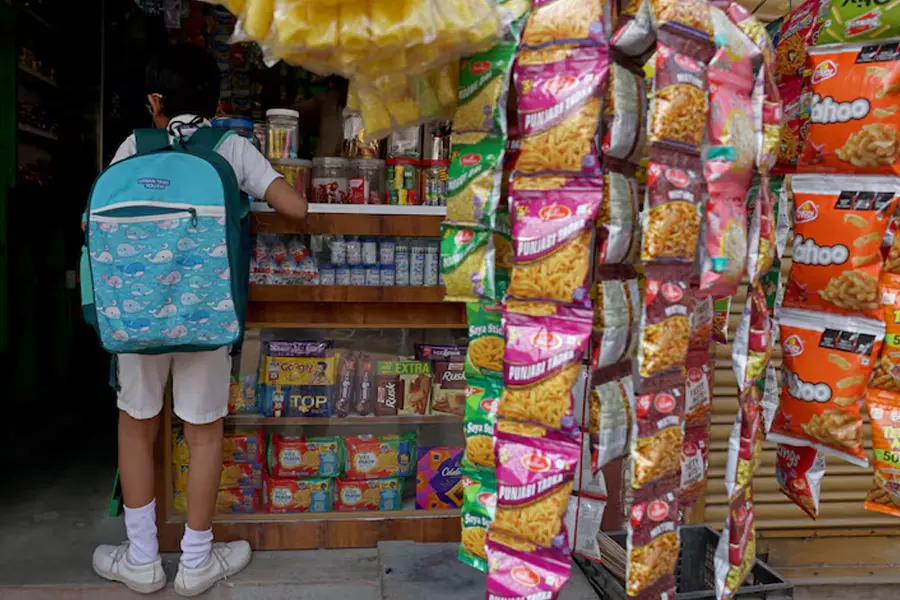
Under this plan, shops, restaurants, and food stalls near approximately 1.5 million schools in India will be prohibited from selling certain sweetened beverages, chips, samosas, pizzas, and high-fat burgers.
The Food Safety and Standards Authority of India has said that these regulations are designed to prevent the formation of unhealthy eating habits in children, and companies will also be encouraged to reformulate their products.
No specific timeline has yet been set for the implementation of these regulations.
According to the report, this plan was first proposed in 2020, and Indian authorities in August of this year set criteria for the levels of fat, salt, and sugar that could restrict the sale of certain products inside and around schools.
According to data from the World Obesity Federation, the number of children and adolescents aged 5 to 19 who are overweight or obese in India has increased from about 28 million in 2015 to 41 million in 2025, and is projected to reach 56 million by 2040.
This plan has also faced concerns from some shopkeepers and the food industry, as they say that implementing the restrictions could lead to reduced sales and income for businesses near schools.