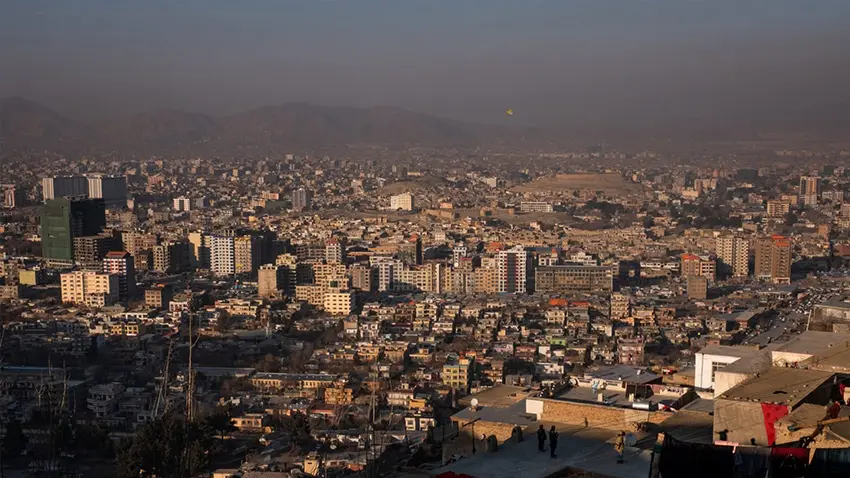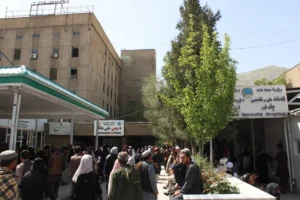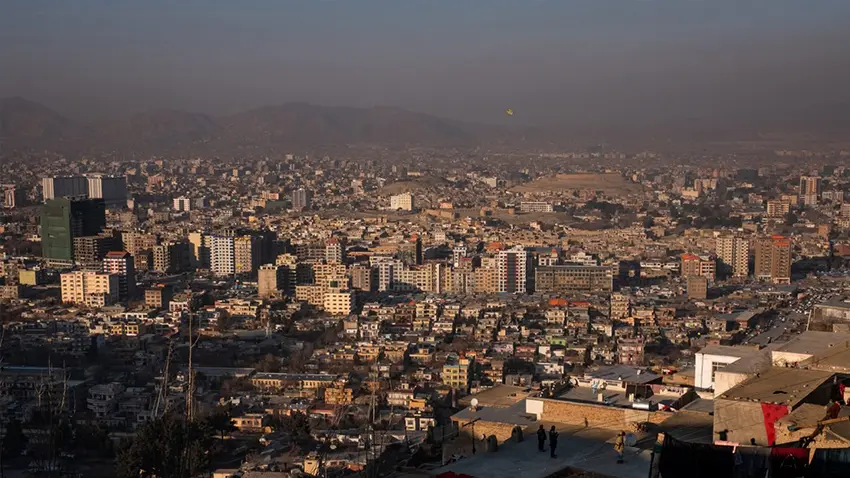

The rise in fuel prices in recent weeks has made living costs heavier for many families in Kabul. Residents say that with the increase in fuel and gas prices and the approach of autumn, covering daily expenses and heating needs has become more difficult for low-income families.
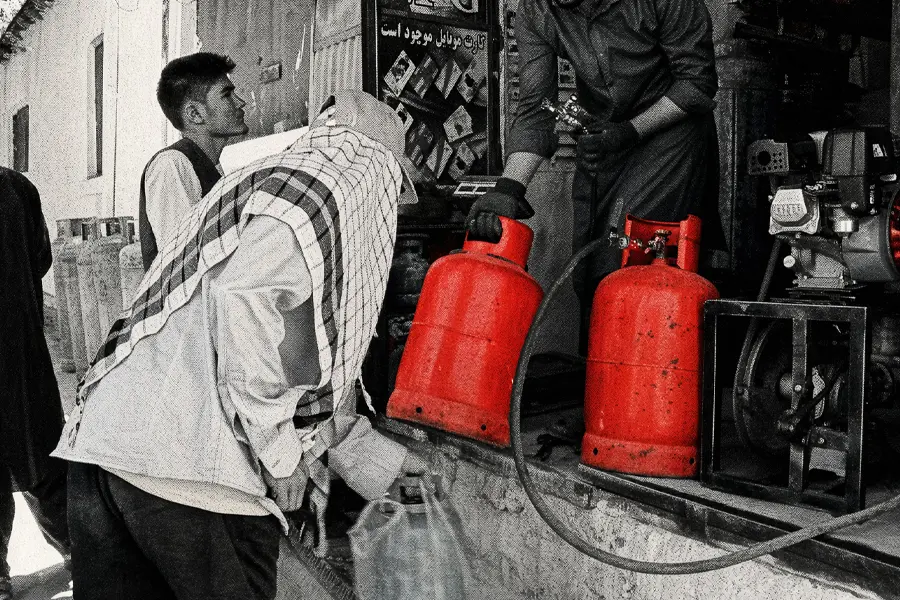
Currently, the price of one liter of fuel in Kabul’s market has reached about 89 Afghanis, and one kilogram of liquefied gas is being sold for about 65 to 66 Afghanis.
The rise in fuel prices comes as many families with limited incomes are also facing high food costs, house rent, and other daily needs.
On the other hand, vehicle drivers say that the increase in fuel prices has raised their daily expenses.
According to them, the rise in fuel costs can also affect transportation fares and put more pressure on passengers who use vehicles every day to reach their workplaces, universities, and other parts of the city.
Ahmad (a pseudonym), a driver in Kabul city, told Tanin that due to the high fuel price, he had converted his car to gas some time ago.
According to him, the high price of gas has now led him to increase his car fare as well, and fewer people use his car to travel from one place to another.
He criticized the lack of fuel price control by the Taliban and called the situation unbearable.
Meanwhile, the increase in the cost of transporting goods can also affect the prices of some food items and other goods, because transporting goods from one region to another depends on fuel consumption.
Sameer, a resident of Kabul city, also told Tanin in an interview that even food prices have increased.
He called the situation worrying.
Sameer asks the Taliban to increase market oversight to prevent further fuel price increases and to take action for the regular supply of fuel and gas.
He also called for preventing hoarding and price gouging and reducing the costs of fuel transportation and imports so that the rise in fuel prices does not put more pressure on families.
It is worth noting that with the arrival of autumn, families’ concerns about further increases in fuel costs have grown. The drop in temperature causes families’ need for gas and other fuels to increase, and as a result, their monthly expenses also rise.
Some families say that with the current price of fuel and gas, meeting their daily needs has become difficult, and as the weather gets colder, concerns about additional costs will increase.
Afghanistan meets a significant portion of its need for petroleum products and fuel from abroad.
Price changes in regional and global markets, transportation costs, exchange rates, supply and demand levels, and import costs are among the factors that can affect fuel prices in Afghanistan’s market.
Given the Afghan market’s dependence on imports, an increase in the cost of purchasing and transporting fuel can ultimately lead to an increase in its price in domestic markets.