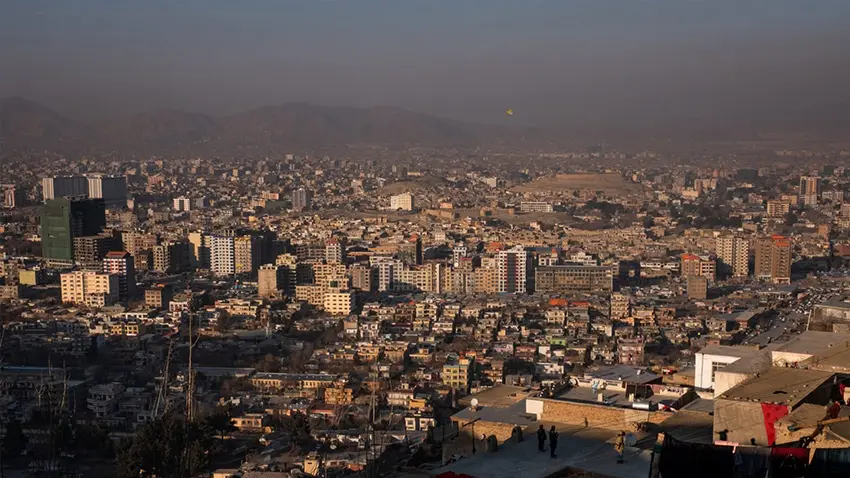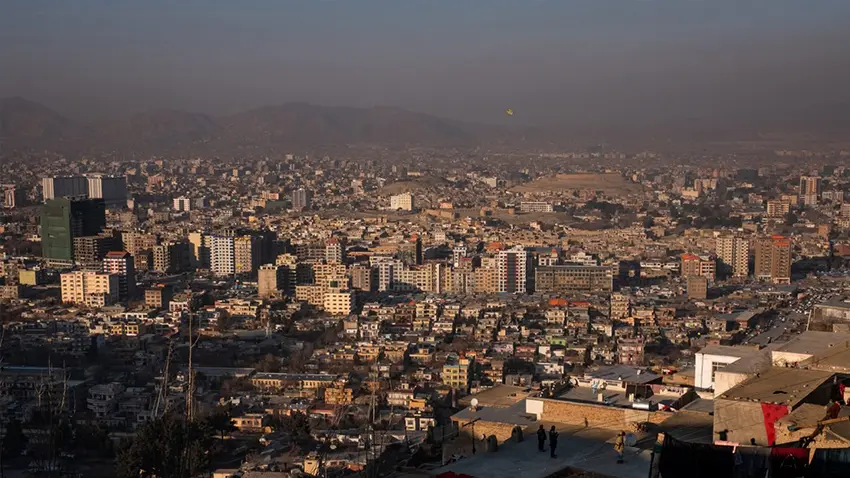

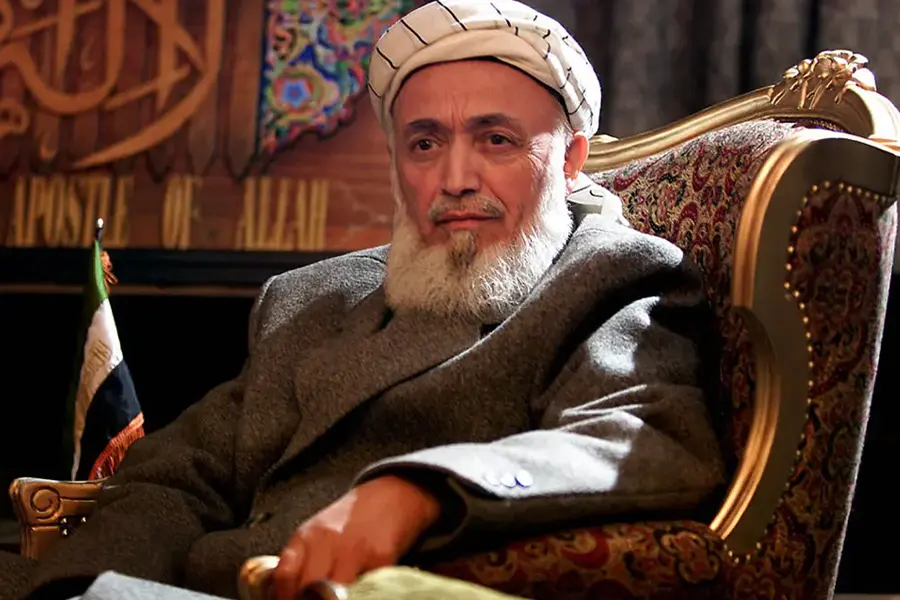
Burhanuddin Rabbani, the former President of Afghanistan and head of the High Peace Council, was killed on September 20, 1390 (Solar Hijri), equivalent to September 20, 2011, in a suicide attack in Kabul — an event that occurred during his efforts to advance the Afghan peace process.
Rabbani was targeted at his home in the Wazir Mohammad Akbar Khan area of Kabul while meeting with individuals who had introduced themselves as representatives of the Taliban.
According to United Nations reports, the attacker had hidden explosives in his turban and detonated them during the meeting. In this incident, in addition to Rabbani, several others were wounded, including Mohammad Massoum Stanikzai, a member of the High Peace Council.
At the time of his death, Rabbani was serving as the head of Afghanistan’s High Peace Council — a council established to advance dialogue and reconciliation with armed opposition.
In the months before this event, he had made extensive efforts to initiate peace talks.
Burhanuddin Rabbani was one of Afghanistan’s prominent political figures.
He was the leader of Jamiat-e Islami Afghanistan and the head of the Islamic State of Afghanistan in the 1990s, and after the fall of the Taliban in 2001, he remained active in the country’s political arena.
Rabbani’s death occurred at a time when war continued in Afghanistan and efforts to initiate political dialogue with armed opposition faced serious challenges.
After this event, the United Nations condemned his assassination and emphasized the continuation of efforts to achieve peace in Afghanistan.